


Construction Booms with High Demand for Framing Nails
If you're a DIY enthusiast or a professional carpenter, you know the importance of using the right tools for the job. When it comes to framing, one of the most essential tools in your arsenal is the framing nail. These sturdy, large-headed nails are designed to hold together heavy-duty structures, making them a crucial component of any framing project. In this guide, we'll explore everything you need to know about framing nails, from their different types to their uses and best practices.
1.Types of Framing Nails
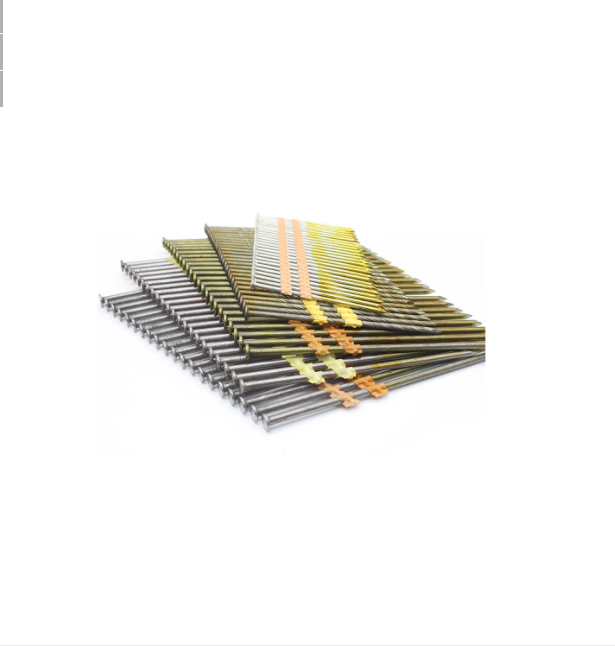
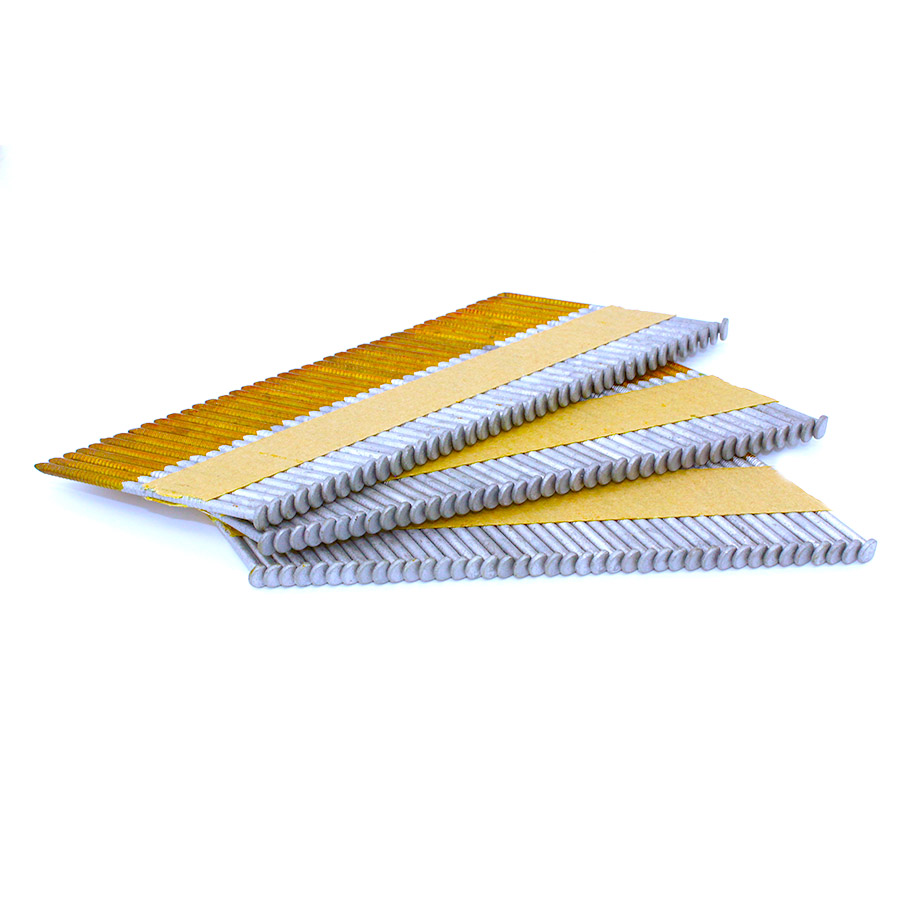
Framing nails come in various types, each designed for specific applications. The most common types include common nails, box nails, and sinker nails. Common nails are the standard choice for framing, featuring a thick shank and a large, flat head that provides excellent holding power. Box nails, on the other hand, have a thinner shank and are ideal for lighter framing tasks. Sinker nails are specifically designed for use with nail guns, offering efficient and precise driving into wood.
2.Uses of Framing Nails
Framing nails are primarily used in construction and carpentry for framing walls, floors, and roofs. They are also essential for building decks, fences, and other outdoor structures. Their large size and strong grip make them perfect for securing heavy lumber and creating sturdy, long-lasting structures. Whether you're building a new home or renovating an existing one, framing nails are indispensable for ensuring the structural integrity of the project.
3.Best Practices for Using Framing Nails
To ensure the best results when using framing nails, it's essential to follow some best practices. First and foremost, always use the right type and size of framing nail for the job. Using the wrong nail can compromise the strength and stability of the structure. Additionally, make sure to drive the nails straight into the wood to prevent bending or splitting. It's also crucial to space the nails properly to provide adequate support and prevent warping or shifting over time.
Furthermore, when using a nail gun, always wear appropriate safety gear, including eye protection and hearing protection. Nail guns can generate a significant amount of force and noise, so taking safety precautions is essential. Finally, be mindful of the wood's moisture content, as excessive moisture can cause the wood to shrink or expand, affecting the holding power of the nails.
4.Choosing the Right Framing Nails for Your Project
When selecting framing nails for your project, consider the type of wood you'll be working with, the size and scope of the project, and any specific requirements or regulations. For general framing tasks, common nails are a reliable choice, offering excellent holding power and durability. If you're working with softer woods or lighter framing, box nails may be more suitable. For larger projects or when using a nail gun, sinker nails provide efficient and precise fastening.
Our Website: https://www.fastoscrews.com/,Please contact us.