
Drill tail screws are an indispensable part of modern industry and are widely used in fields such as architecture, furniture, and electrical appliances. However, different application scenarios require different types and specifications of drilling screws, so selecting the appropriate drilling screw is crucial for industrial production. This article will introduce the selection criteria for drilling screws to help readers better choose and use suitable drilling screws.
1、Load-bearing capacity
The load-bearing capacity is the primary consideration for selecting drilling screws. When selecting drill tail screws, it is necessary to choose the appropriate size and type based on the weight and stress they bear. Usually, the load-bearing capacity is related to factors such as the diameter, length, and material of the drilling screw. Under the same environment and conditions, thicker and longer drill tail screws have better load-bearing capacity.
2、Material selection
The material of the drill tail screw has a significant impact on its mechanical properties and corrosion resistance. The commonly used materials for drilling screws include iron, stainless steel, etc. When selecting drilling screws, it is necessary to choose the appropriate material according to the application scenario. For example, in humid environments, it is necessary to choose corrosion-resistant stainless steel drill tail screws; In scenarios that require high temperature resistance, it is necessary to choose alloy steel drill tail screws with good heat resistance.

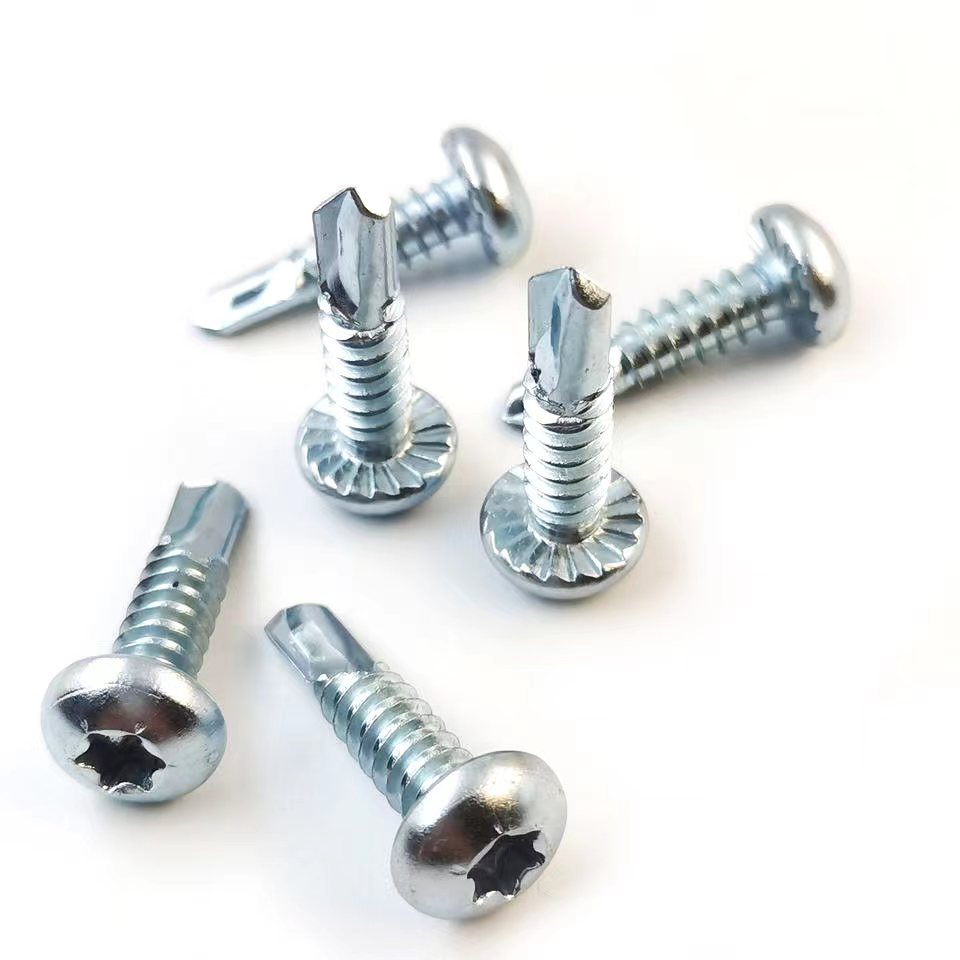
3、Torque value
The torque value is one of the important indicators that determine the effectiveness of drilling screws. When selecting the drill tail screw, it is necessary to calculate the required torque value based on the actual situation to ensure that the drill tail screw can be installed correctly and firmly fixed. If the torque value is too small, it may cause the installation of the drill tail screw to be unstable and easy to loosen; If the torque value is too high, it may damage the screws or cause installation difficulties.
4、Corrosion resistance
In many application scenarios, drilling screws need to come into contact with chemicals such as acids and alkalis, so their corrosion resistance needs to be considered. When selecting drill tail screws, it is necessary to pay attention to their anti-corrosion performance in order to maintain stability and reliability in long-term use. For example, drilling screws with surface treatments such as zinc plating or chromium plating can be selected to improve their corrosion resistance.
5、 Selection of drill tail screw heads
When selecting drill tail screws, it is also necessary to consider the size and shape of the drill tail screw head. Different drill tail screw heads are suitable for different drilling and installation tools. For example, flat head drill tail screws are suitable for general drilling and installation; Cross head drill tail screws are suitable for installation using a cross shaped wrench; Hexagonal drill tail screws are suitable for installation using hexagonal wrenches. When selecting drill tail screws, it is necessary to choose a suitable drill tail screw head based on actual needs.
Our Website:/
If you need any help about hardware,Please contact us.
Post time: Sep-11-2023


